As Colombia’s northern Córdoba province continues to grapple with the aftermath of mass flooding, current and former government officials allege a pattern of mismanagement involving the Urrá hydroelectric dam.
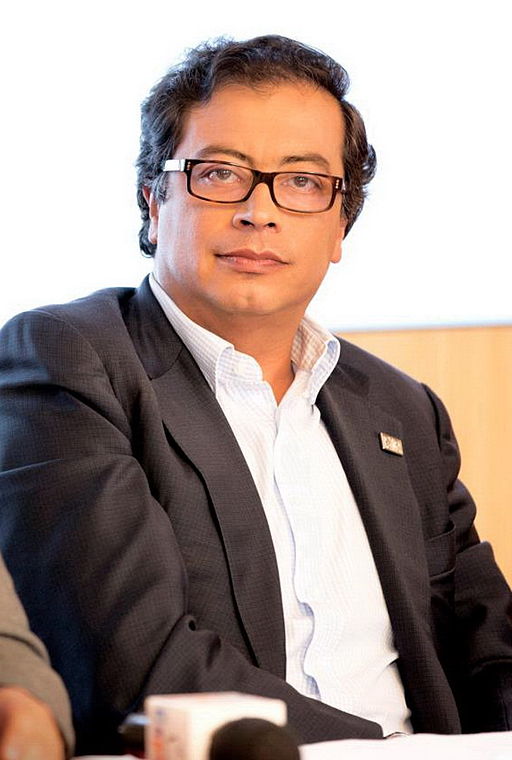
President Gustavo Petro has accused the dam’s operators of committing an “environmental crime”, blaming corporate greed on the current natural disaster which has affected as many as 78,000 families.
Meanwhile, the former Director of the Land Restitution Unit in Córdoba claims she was removed from her position to prevent the Urrá dam from returning land to local Indigenous groups.
Urrá’s role in the flooding
The crisis in Córdoba began at the end of January when unseasonably heavy rainfall triggered flash floods, overflowing rivers, and landslides. As of March 2, 15,000 evacuated people are still living in temporary shelters in the region, according to the United Nations Office for the Coordination of Humanitarian Affairs.
While climate change is a key factor in the disaster – which occurred during the dry season – there are also indications of man-made causes.
“All flooding of Urrá onto farmers’ land is a continuation of an existing environmental crime,” wrote Petro in a post on X on February 8, claiming that the dam allowed its reservoirs to fill up excessively “out of pure greed.”
The president called for the immediate resignation of the president of Urrá, Juan Acevedo Rocha, who stepped down days later. However, Acevedo denies wrongdoing and maintains the dam’s levels were 90cm below the maximum permitted.
Petro later took aim at Urrá’s environmental impact in the region, citing the disappearance of wetlands: “Urrá was not built to generate energy but to dry up the nation’s land and damage the entire natural flow of water in Córdoba.”
Large swaths of swampland have been drained as a result of the dam blocking water flows, which has freed up land for economic purposes like agriculture and cattle ranching.
“The drying of swamps affected the natural capacity of ecosystems to regulate flooding,” wrote Carolina García Londoño, President of the Antioquia Chapter of the Colombian Geological Society, in a column for news website La Silla Vacia.
García also described “poor management” of the dam in relation to regulating water overflow.
“It is clear that there were failures in communication with downstream communities. They were not informed in a timely manner of the opening of the floodgates,” affirmed the disaster management expert.
An alleged pattern of corruption
Controversy surrounding the Urrá dam is not new, with the project embroiled in scandal as far back as the 1990s. In 1998, the Constitutional Court ruled that the project did not consult local Indigenous groups before beginning construction on their native land, breaching the 1991 Constitution.
But a court later accepted Colombian government arguments that the dam was vital to the country’s energy needs, with the concession that Urrá would pay indemnities to Indigenous communities.
Yet local Indigenous leaders, notably Kimy Pernía Domicó, publicly campaigned against Urrá, saying it did not comply with its commitments to Embera Katío communities. Pernía was killed in 2001 by the United Self-Defense Forces of Colombia (AUC), a prominent paramilitary group.
Years later, Ana Cristina Muñoz was appointed to the Land Restitution Unit in Córdoba and Bajo Cauca, overseeing the return of lands illegally confiscated during Colombia’s decades-long armed conflict.
“I found sufficient evidence proving that the Urrá hydroelectric plant controls 123,000 hectares of land belonging to the Emberá Katío people,” Muñoz told Latin America Reports.
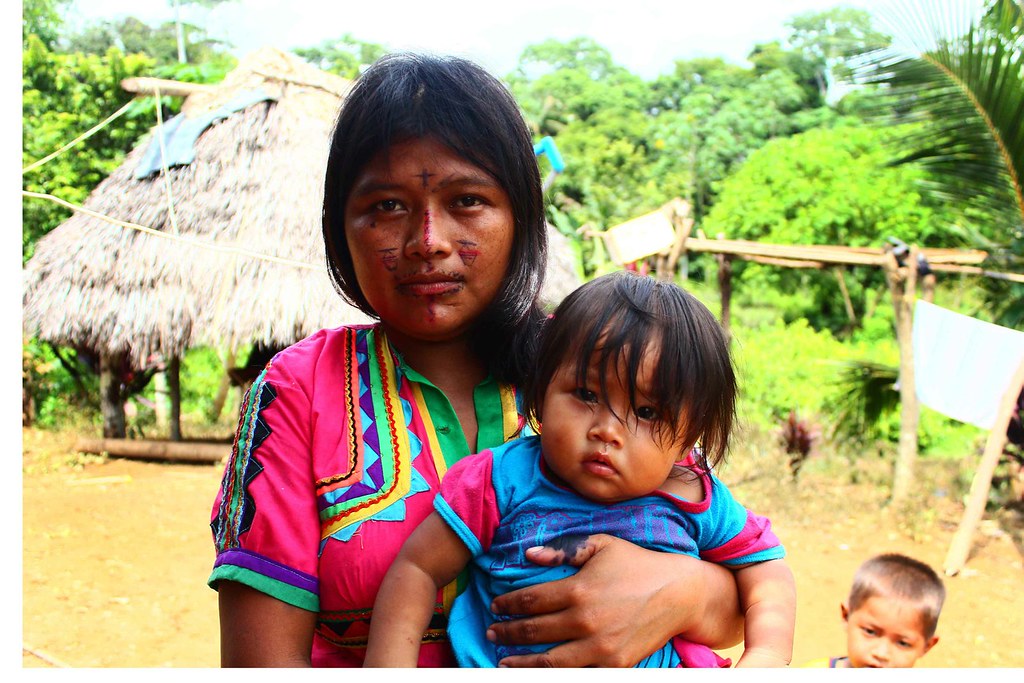
But in September 2024, just one day before she was due to meet 21 Indigenous authorities to sign a formal petition for the return of land restitution from Urrá, Muñoz was removed from her position.
She alleges that she was sacked because she planned to order the restitution of lands from Urrá to the local Embera Katío Indigenous population: “Urrá was directly involved in my departure.”
Following the flooding, Muñoz has been actively campaigning in Córdoba on the promise of justice for victims of the environmental disaster.
Running as part of the Frente Amplio Unitario, she hopes to finally enact land reforms in Córdoba by being elected to the Senate.
“We need to revisit this issue, through a legal battle, to see what we can achieve,” said Muñoz